

Bub Carrington was on fire. With just under 6 minutes left in the 3rd quarter against the Chicago Bulls, Carrington swished a tough deep three, forcing an instant timeout.
The Wizards had a chance to break their 7-game losing streak thanks to their young guard, who had 24 points in a stellar outing. The path was there for a huge morale boost. And yet, Carrington never played another minute.
Instances like this were a large reason behind the NBA’s new proposed rules for the draft lottery. The league will look to disincentivize pulling/resting key players and other measures made to lose games, through lessening the likelihood of a high-loss team getting the top pick.
As a team that has occupied the bottom of the East for years, these changes could certainly affect the Wizards and the future of their picks. Adam Silver’s new plan could change how Washington views this season and beyond, with less incentive for more losses.
The Wizards could go “all-in” on their new pairing
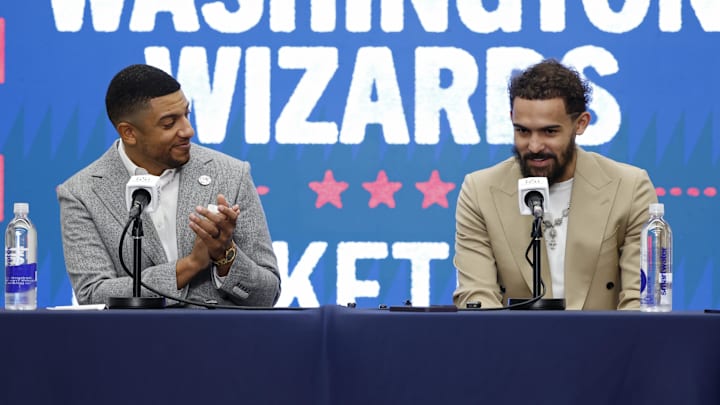
The interesting part about these new tanking changes is that Washington already seemingly made moves to circumvent them. After years at the bottom of the league, the team traded for both Trae Young and Anthony Davis, seeking some form of relevancy in 2026.
The addition of Young and Davis will likely ensure the Wizards are not in the new “relegation zone” of the bottom 3 teams in the NBA, who will all face decreased odds of the #1 pick. The fourth-tenth worst teams in the NBA, on the other hand, receive greater odds.
Even with Young and Davis mostly healthy, there’s a good chance Washington lands in that 4-10 range. The team has some clear issues defensively, and the young group around the two stars still has room to develop on offense.
The interesting question becomes whether or not the Wizards are more likely to lock down Young and Davis long-term, given the new changes. The lesser incentives towards “tanking” could lead the team to invest more in the duo, looking to be consistently relevant.
Young has just a $46 million player option left on his contract, while Davis has just 2 years left on his deal. Don’t be surprised if the Wizards explore extending both, with finishing in the middle of the league now more incentivized than ever.
More pressure will be placed on the team’s young core
2026-27 was already going to be a big year for the Wizards’ young pieces, after another disappointing season. Players like Bilal Coulibaly, Kyshawn George, and Alex Sarr will be expected to take the next step, with veterans like Young and Davis now playing alongside them.
The new changes place a greater pressure on these young players to work out, though, given the uncertainty of the Wizards acquiring more talent in the future. The new lottery rules add 4 more teams into the mix for the top pick, making it harder than ever to land a young star.
After this year, Washington likely won’t be able to rely on the lottery for their next star. The development of their current youth will be a serious priority, as the team searches for long-term competitiveness.
The 2026 season will be an incredibly important one for Brian Keefe and his squad, as they search for the pieces of a true playoff contender.
 Add us as a preferred source on Google